

7 reasons to use Holafly when travelling (and why I stopped using local SIMs)
I’ll admit it took me a while to change my ways. For years, I did what most travellers do: land at the airport, find a telecom shop, try to figure out the data plans with a staff member who sometimes barely speak English, and lose the first hour of the trip setting up a SIM card that may or may not actually work.
It was a trip to El Salvador that really opened my eyes. I arrived at the airport at night, and there was no operator kiosk in sight. Found a petrol station nearby that sold SIM cards, but the card wouldn’t activate until the following day. I spent two hours trying to find my accommodation, no Google Maps, no way to call or message anyone.
I thought that there had to be a better option.
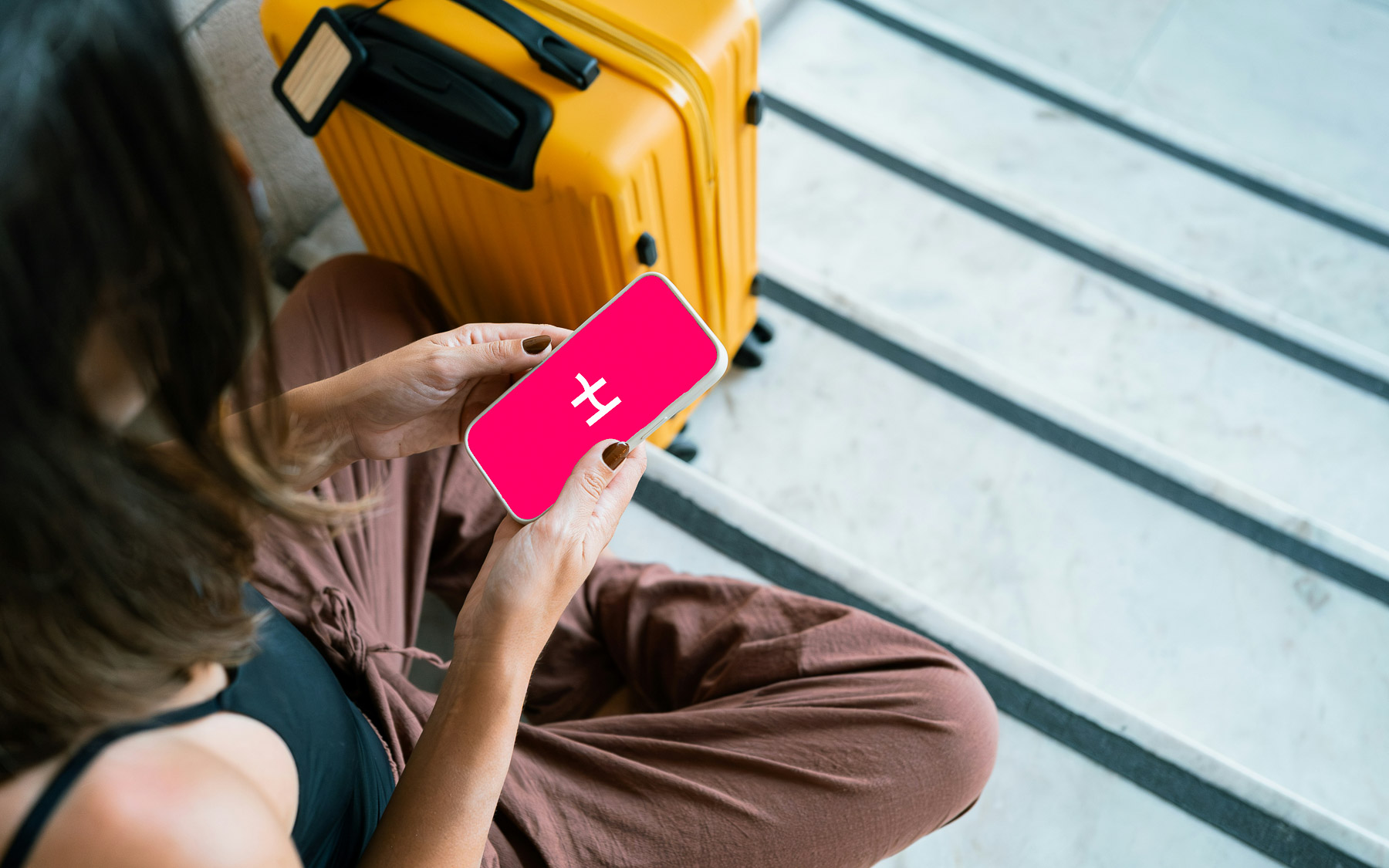
There is. It’s called Holafly, and it’s an eSIM, a digital SIM card you activate before leaving home. Since then, I’ve used it in Thailand, Egypt, Sri Lanka, and Morocco, and I’m not going back.

Why Holafly Is the Best eSIM for Travellers
1. Activate before you leave and arrive already connected
This was the number one reason I switched. That, and the fact that it’s unlimited. But more on that in a moment.
With Holafly, you buy the eSIM online, receive the setup instructions by email, and configure everything on your phone before you board. When you land with that familiar haze of a long-haul flight, your GPS already works, you can call a Uber or a Grab, and your family knows you’ve arrived safely.
In places like Egypt, arriving at the airport in the middle of the night with internet access already running makes a real difference: you can choose a trusted taxi instead of accepting the first person who waves you down.
2. No queues, no hidden fees, no confusion
On my first time in Sri Lanka, I bought a local SIM with “unlimited” data that turned out to have a hidden cap buried in fine print written in Sinhala. I wasted hours in Colombo and had patchy coverage for the first few days.
With Holafly, you choose your plan on the website — by country and number of days — and that’s it. No surprises, no small print you can’t read. The price you see is the price you pay.
3. Your home number stays active
This matters more than most people realise. When you use a local SIM, you lose access to your number, and with it, any SMS authentication, work calls, or emergency contact with someone who only knows your regular number.
With an eSIM, the physical chip stays in your phone. You can keep your home number active and use the eSIM purely for data. In Morocco, I received verification codes from my banking app without any issues.
For solo travellers and digital nomads, keeping access to your personal number while abroad is genuinely important.
4. Works in places where a local SIM is a headache
Some countries make buying a local SIM card a real bureaucratic ordeal. In Egypt and El Salvador, for example, you need to show your passport and fill in forms at an authorised store. Morocco is simpler, but coverage outside the cities can be unreliable.
Holafly works with local carriers in each country, which means you get the best available network without having to negotiate it yourself.
In the Sahara desert, I had signal where I fully expected not to. I can’t quite explain it, it just worked! Even to receive my home airfryer alerts saying the meal is ready!
5. Unlimited data when you need it most
When you’re navigating to a remote beach in Indonesia with Google Maps running, Spotify playing, and WhatsApp waiting, the last thing you want is to be tracking how many MB you have left.
Holafly offers unlimited data for many destinations. For travellers who use their phone as a work tool and a navigation device, this changes everything. This is also a must-have if your travel mantra is “pics or it didn’t happen” and you love sharing every amazing moment on the go!
6. Support in your language and a simple setup
The Holafly website is available in multiple languages, and so is their customer support. If you’ve ever had to troubleshoot a connectivity problem in a foreign country, in a foreign language, at 11pm, you’ll understand why that matters.
I’ve personally contacted support only once and it was super easy and quick.
7. Sustainable: less plastic, less electronic waste
It’s not the main reason, but it counts for me. Every local SIM card is made of plastic, and it ends up in the bin, often in countries without adequate recycling infrastructure. Over the years, you end up discarding dozens of cards in places that already struggle with waste management.
An eSIM is digital. No card, no packaging, no waste. It’s a small choice, but the sum of small choices is what defines the real impact of our travels.
How to activate Holafly: It’s really simple!
- Go to the Holafly website and choose your destination
- Select your plan (by number of days)
- Receive a QR code by email
- Go to your phone settings, scan the QR code and activate
- Choose when to start using it (usually on arrival)
One requirement: your phone needs to support eSIM (most models released from 2019 onwards do). Please check Holafly’s site to be sure.
Travel Notes