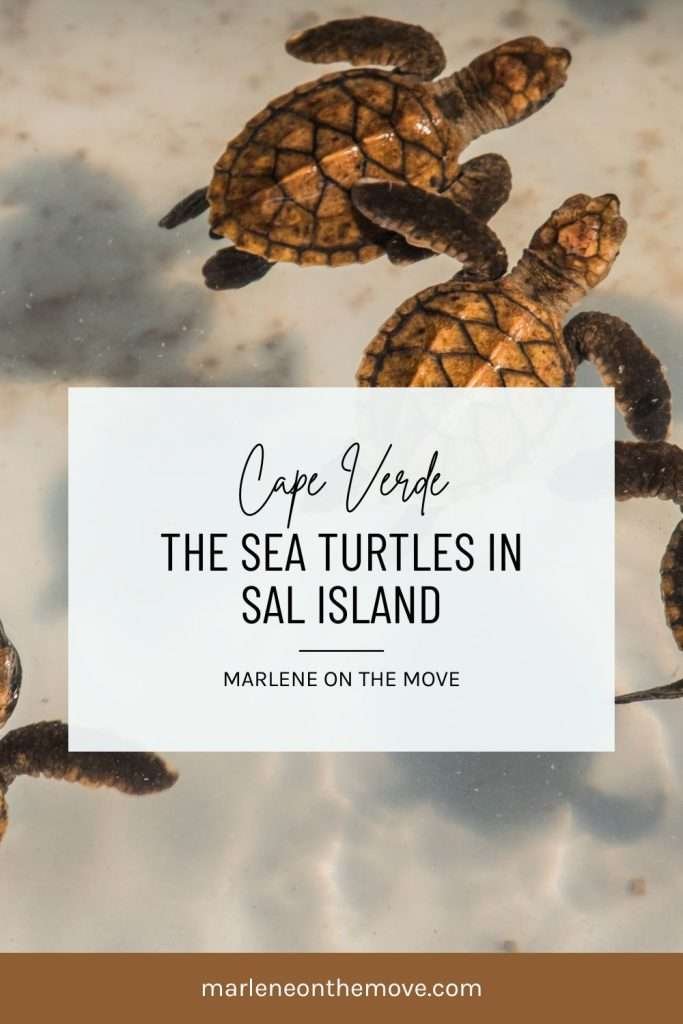


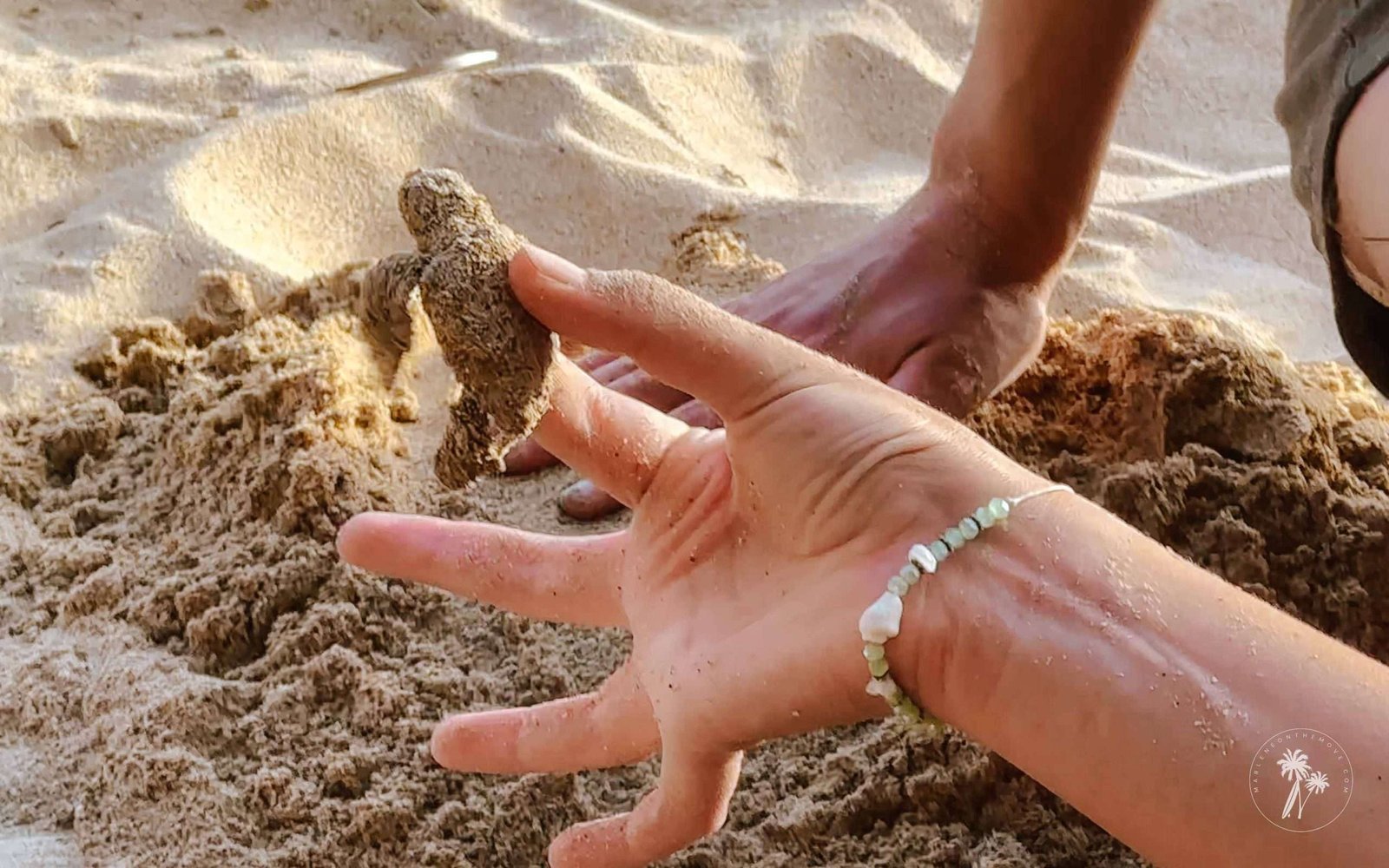
Sal Island in Cape Verde is known for its white sandy beaches and warm waters, but something even more extraordinary happens in that land. For part of the year, the beaches become a safe haven for the sea turtles that choose this island to lay their eggs, perpetuating a life cycle that’s as fragile as it is fascinating.
While I was familiar with Sal Island’s natural beauty and the warm hospitality of its people, my purpose for returning there was new: I wanted to see sea turtles hatch.
This unique experience became even more special thanks to the work of Project Biodiversity, a local organization dedicated to preserving the local fauna and environmental education.
Sal Island: The Life Cycle of Sea Turtles
Sea turtles are true ocean travelers, but it’s on the beaches that their story begins and is renewed. Between June and October, the females return to the beaches where they were born to lay their eggs, a process that challenges their strength and instinct. Between September and December, nature repays this effort with the birth of the offspring, who emerge from their nests and face an arduous journey to the sea.

As I arrived in Sal outside the spawning season, I had the privilege of witnessing the next stage: the birth.
With the guidance of the Project Biodiversity team, I visited the nursery next to Hotel RIU in Santa Maria. There, baby turtles are protected until they are ready to be released into the ocean.
The work of Project Biodiversity
The visit to the sea turtle hatchery was a lesson in humility. The team, which includes biologists, volunteers, and members of the local community, is impressive in its care and dedication. They also monitor the nests to ensure the hatchlings have the best chance of survival in a controlled and safe haven away from predators.
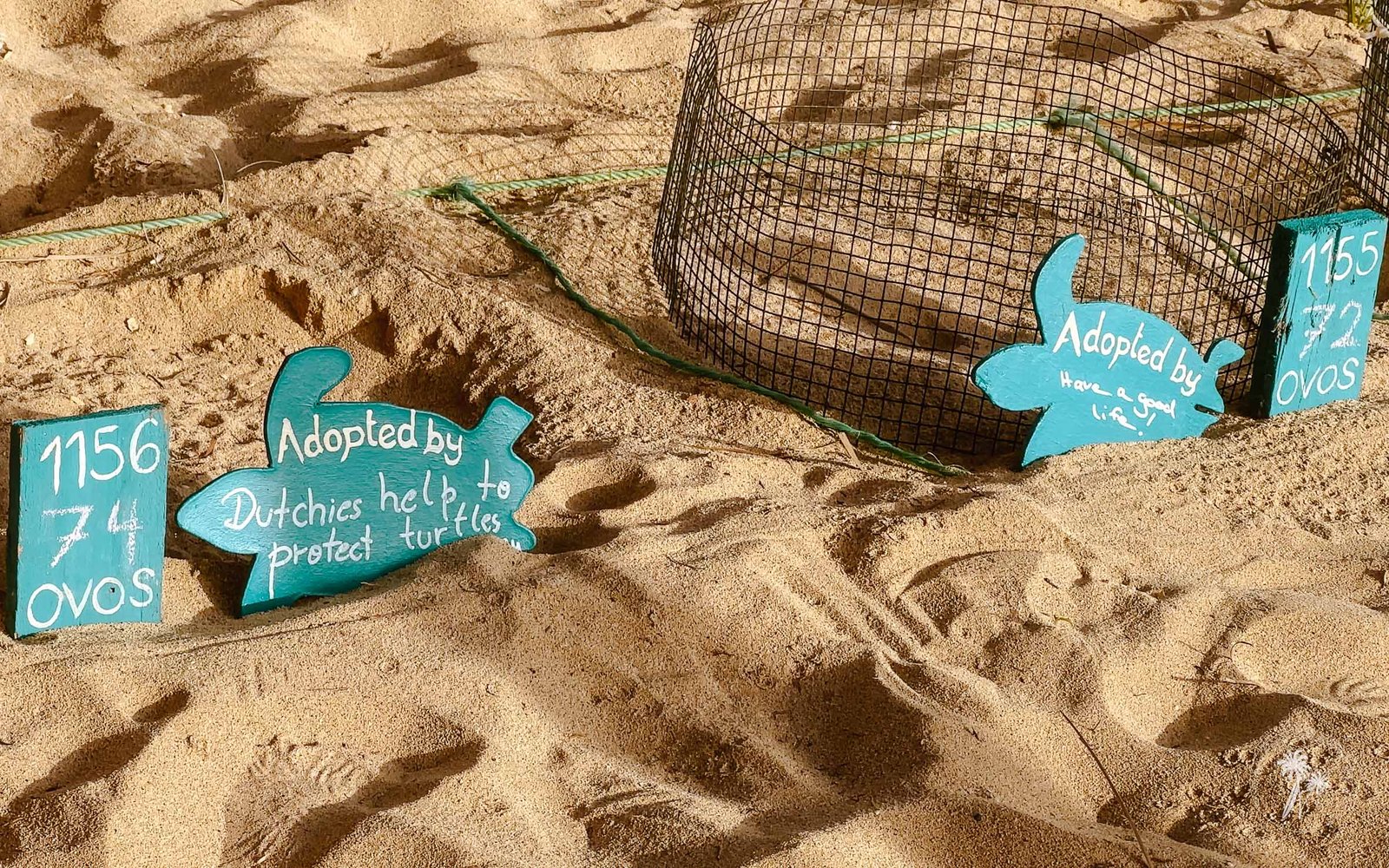


During the hatching period, project members give presentations open to the public, at the end of each day, explaining their work and the importance of preserving sea turtles. During these sessions, it’s possible to see the opening of nests and even the dedicated effort to save struggling hatchlings at birth.
These educational moments bring visitors closer to the reality of sea turtles and leave a message of conservation that will accompany them and echo far beyond the island (as in this article).
But for me, there was another very special moment as I accompanied the release of the little turtles into the sea, a process carefully planned to minimize stress and not harm the orientation of these small animals.
Although it isn’t an activity open to the public, the team allowed me to observe (as part of the video I did for my YouTube channel), reinforcing the importance of respecting that delicate moment. Seeing the baby turtles begin their journey into the vast ocean was an indescribable privilege.


This experience was more than a lesson about turtles; it was about protecting the ecosystems that support them. Sal Island showed me how, when appropriately managed, tourism can effectively drive conservation. Project Biodiversity’s work proves how locals and visitors can team up to protect wildlife.
Watching those tiny turtles make their way into the water was unforgettable. It reminded me that every little effort to protect nature matters, even if it is one tiny hatchling at a time.

See the full video!
Have you had an experience similar to this? Tell me in the comments, or let me know if you’d like to go and see the sea turtles on your next visit to Sal Island!
Sea turtles in Sal Island