

FIFA World Cup 2026: A travel guide to the host cities (and how to make the most of it)
Some events change the rhythm of a city. The World Cup does that, and in 2026, it changes the rhythm of three countries at once.
From June 11 to July 19, 2026, the United States, Canada, and Mexico will host the largest soccer tournament in history: 48 teams, 104 games, 16 host cities, and a collective energy that’s hard to find anywhere else. For travelers, this is the kind of event that shapes an entire trip. The only real question is which destination to pick first.
This is the article that’ll help you figure that out.
The World Cup that will stop the World (literally)
The FIFA World Cup 2026 is the first edition with 48 teams. The first shared by three countries. The first with 104 matches. And, for the first time since 1994, soccer returns to North America, more global, more competitive, and with the kind of fan infrastructure that only the U.S. knows how to build.
The tournament runs from June 11 to July 19, 2026, over 39 days, with games spread across 16 stadiums in three countries. The final is set for July 19 at MetLife Stadium in New Jersey, and it’ll come complete with a halftime show inspired by the Super Bowl.
All of this means that there are at least 16 good reasons to pack your bags!
The host cities: A road trip across a continent
The cities are grouped into three geographic regions: the Western Region (Vancouver, Seattle, San Francisco, Los Angeles), the Central Region (Guadalajara, Mexico City, Monterrey, Houston, Dallas, Kansas City), and the Eastern Region (Atlanta, Miami, Toronto, Boston, Philadelphia, New York/New Jersey).
More than a list of stadiums, this is a travel map.
Mexico — Where it all begins
Mexico is in a category of its own. The opening match is set for June 11 at the Estadio Azteca in Mexico City, with the host nation taking on South Africa in a stadium that has already hosted two World Cup finals (1970 and 1986) and carries a symbolic weight that’s hard to match.
- Mexico City is the most intense entry point into the tournament. The altitude (7,350 feet), the noise of the stands, the smell of elote and chili in a Zócalo turned fan zone… there’s something about this city that amplifies everything. Arrive early enough to explore Coyoacán, Xochimilco, and the National Museum of Art before any match kicks off.
- Guadalajara is the calmer option and, for many, the more authentic one. The birthplace of tequila and mariachi also has an amazing food scene and a nightlife that needs no excuse to get started.
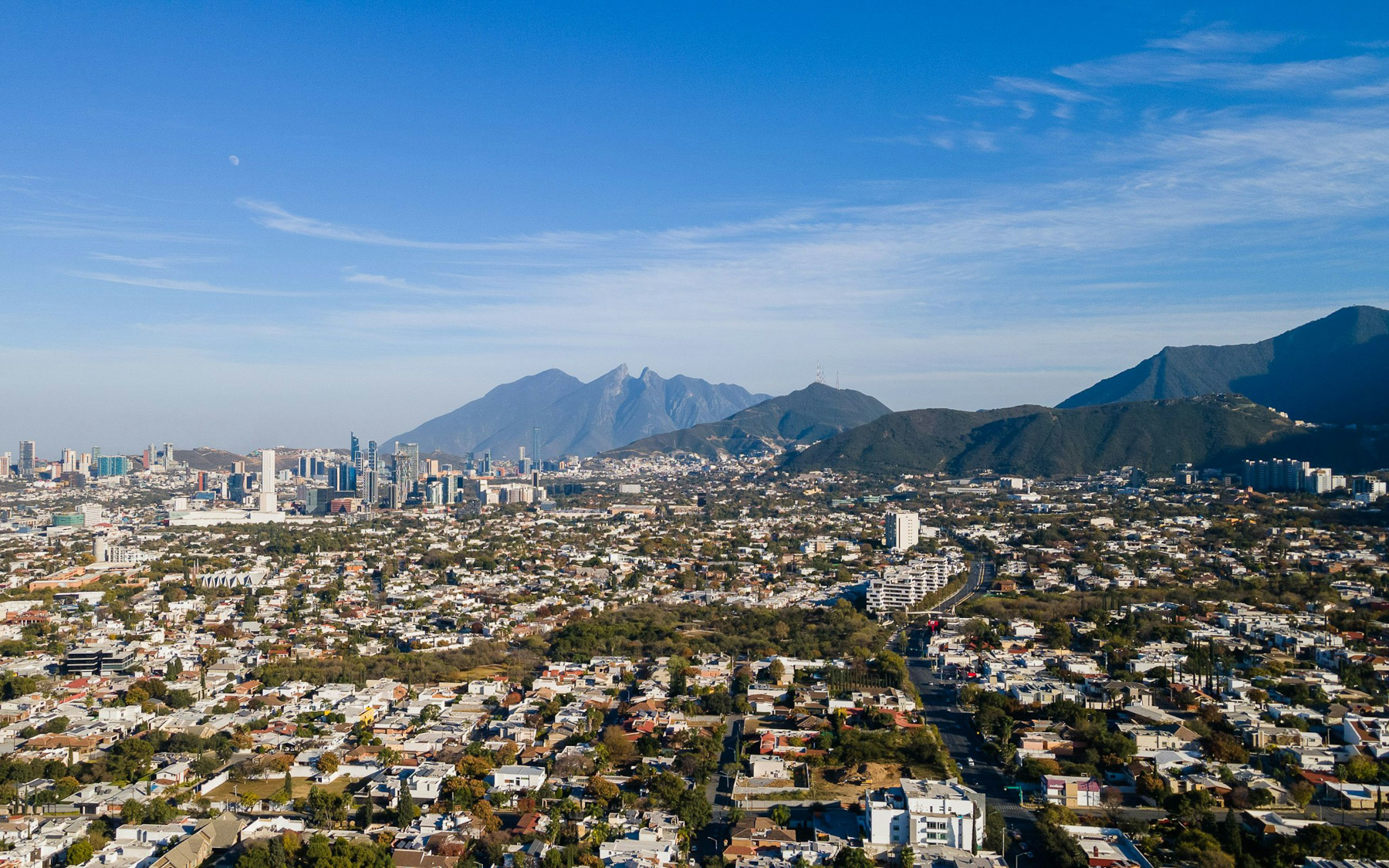
- Monterrey is the industrial north, closer to the U.S. border than most people realize, with Parque Chipinque nearby and the Sierra Madre Oriental as a backdrop. If the cameras are all pointed at the Azteca, Monterrey’s neighborhood atmosphere could be the quiet surprise of the group stage.
Canada — Toronto and Vancouver make their debut
For Canada, this is a first-home World Cup, and the two cities chosen couldn’t be more different.
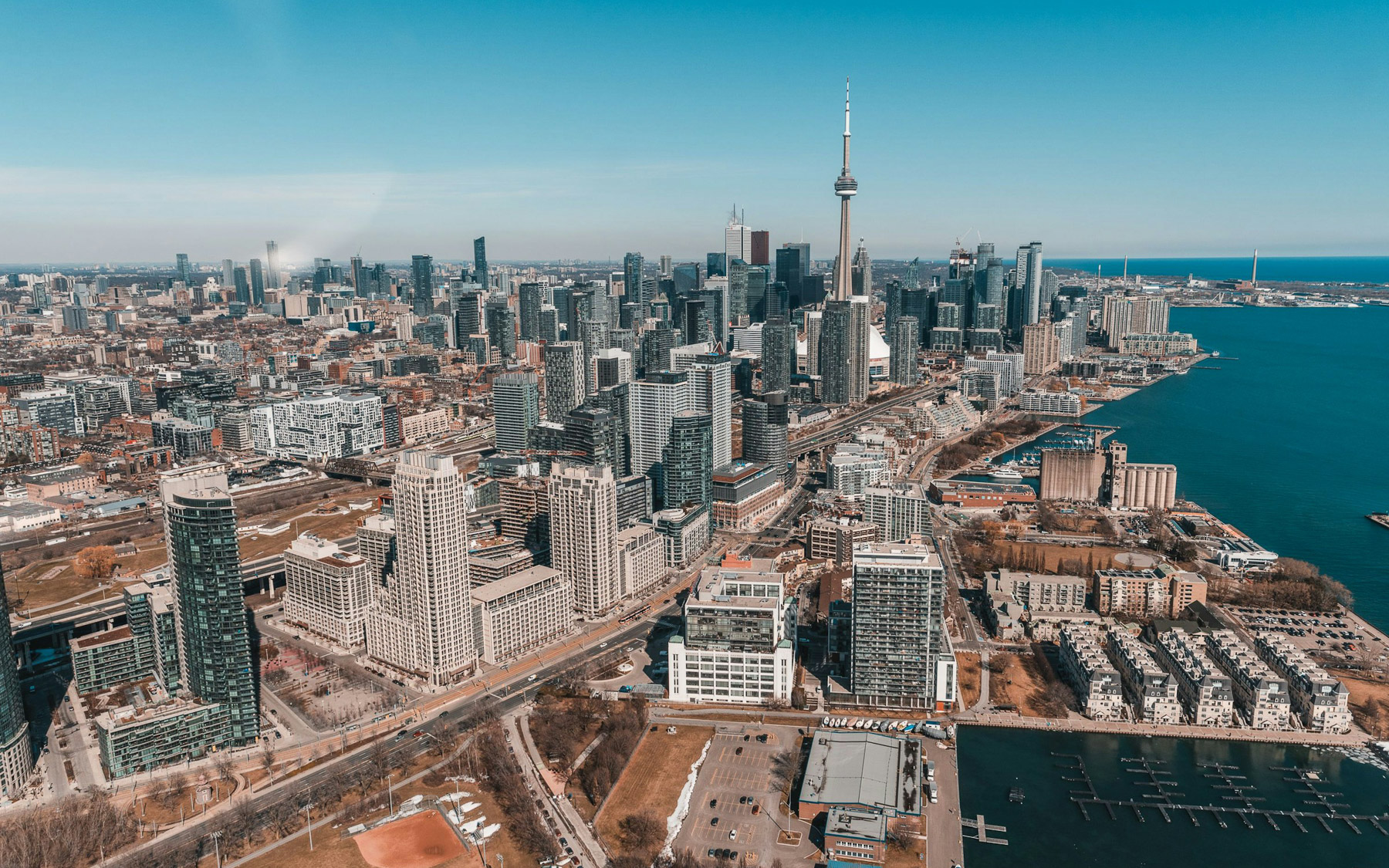
- Toronto is cosmopolitan, dense, and multicultural in a way you feel in the streets, not just in statistics. Visit the CN Tower, the Distillery District, and St. Lawrence Market, and expect a soccer community that was filling stadiums before the national team had anything serious to show for it. Canada opens its group stage in Toronto on June 12, then heads west to Vancouver for the remaining events.
- Vancouver has the Pacific right there. The city blends serious urban life with immediate nature: Stanley Park, Grouse Mountain, the beaches of Kitsilano. Watching a daytime game and spending the afternoon by the ocean is the perfect plan on the schedule.
United States — 11 cities, 11 stories
The U.S. is the backbone of the tournament, hosting 11 cities and the bulk of the knockout stage.
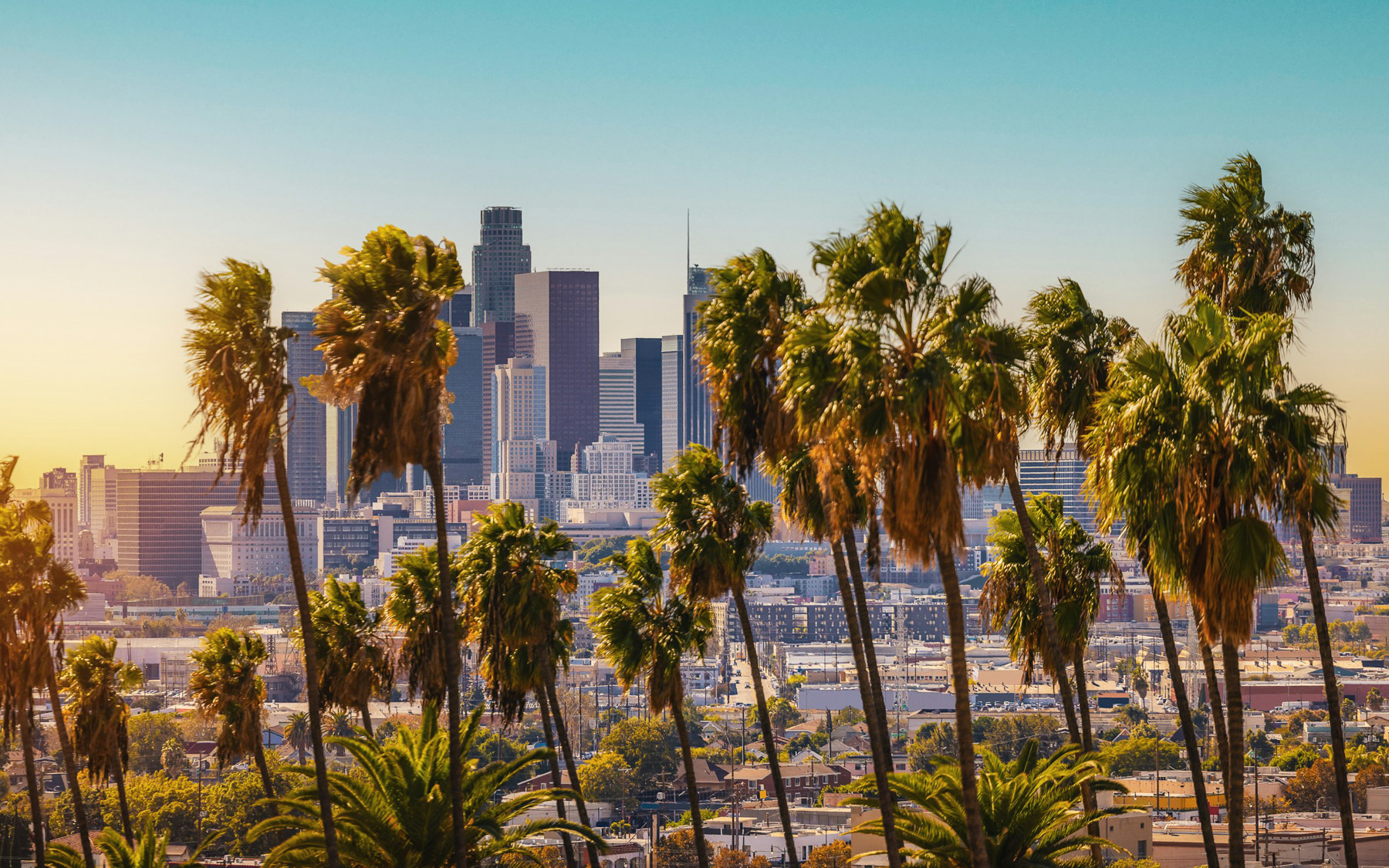
- Los Angeles hosts games at SoFi Stadium in Inglewood, where the U.S. team opens its campaign. It’s LA as advertised: organized chaos, a cultural remix, sunset sessions in Venice Beach after the final whistle. It holds up even when there’s no World Cup. And if you have the time, leaning into the Hollywood and film culture side of the city is part of the experience, or do a road trip on the West Coast.
- Miami brings heat, Latin rhythm, and the beaches of Coconut Grove to the game. Hard Rock Stadium sits in Miami Gardens, but the city spills outward along Biscayne Bay. A group stage match in the July heat of Miami is exactly what you’re picturing.
- New York/New Jersey hosts the final. MetLife Stadium is technically in New Jersey, but New York’s energy crosses the Hudson without asking permission. This is the city that closes the tournament, and it will absolutely make sure everyone knows it.
- Dallas, Atlanta, Houston, Philadelphia, Boston, Kansas City, Seattle, and San Francisco round out the lineup. Each with its own character: the Texan density of Dallas, the soul of Atlanta, the tech energy of San Francisco, the college-town feel of Boston. If you have time for more than one city, a regional road trip is, by itself, a worthwhile experience.
How to experience the World Cup without a match ticket
Let’s be honest: most people won’t have a ticket. World Cup 2026 tickets sell out fast, cost a lot, and resale prices go where resale prices always go. But being in a host city during the FIFA World Cup 2026 — even without setting foot in a stadium — is an experience that’s nothing like watching from your couch.
Host cities will have official fan zones with big screens, food areas, cultural programming, and fans from every corner of the world sharing the same space. On top of that, every neighborhood creates its own version: bars at capacity, temporary screens in parks, packed patios hours before kickoff.
The logic is simple: you don’t need to be inside a stadium to feel like you’re at the World Cup.
Watching games outdoors in Summer: A practical guide
June and July in North America are serious summer months. Depending on the city, you’re looking at guaranteed 86°F in Miami or Dallas, cool mornings in Vancouver, warm nights in Mexico City. But one thing all 16 host cities have in common: fans will be spending a large part of this tournament outside.
Here’s what actually works:
Get there early. Fan zones fill up throughout the day. Arrive two hours before kick-off, and you’ll find a spot; arrive thirty minutes before, and you’ll be watching from a distance. Getting there early is part of the experience. It’s the time for conversations with strangers who flew in from the other side of the world for the same reason.
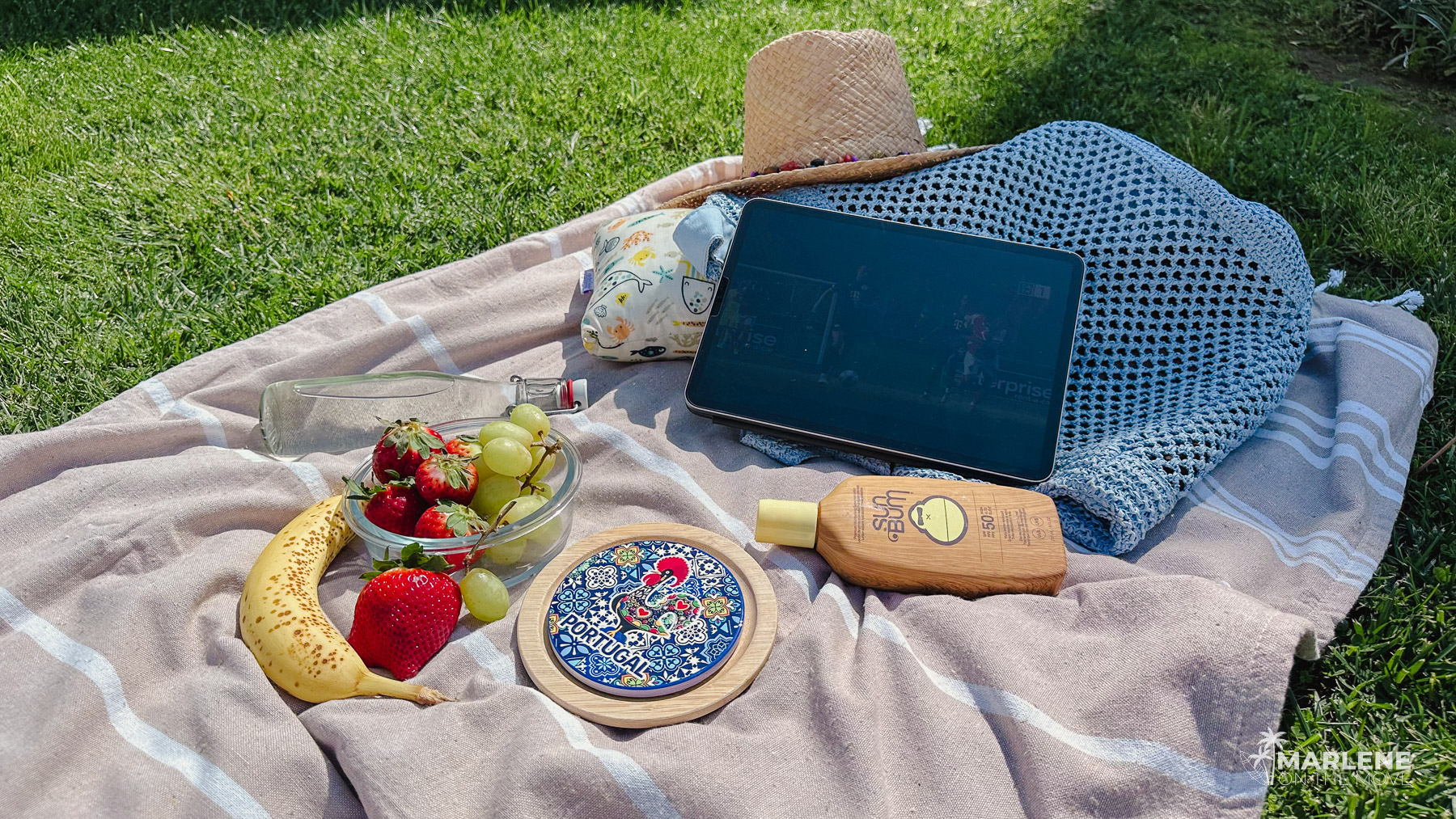
Bring a beach towel. It sounds like a small thing, but in outdoor fan zones and park screenings, your towel is your reserved seat. You lay it down, you claim your space, you’re comfortable for 90 minutes plus extra time. On a hot day with the sun still high, it’s the difference between enjoying the game and enduring it. Go for something with good absorbency that dries fast, because between the 3 p.m. game and the evening match, you might still want to get to the beach or the pool. I’ll be using my Fit2Work towels (in the photo): the right size so you’re not taking over everyone else’s space, and made from recycled cotton, which makes them noticeably softer, perfect if you spend a long time sitting down.
Protect yourself from the sun. Sunscreen, hat, water. Obvious until the day you skip all three, and the second half becomes a survival mission. My go-to is the SunBum SPF 50. It comes with me everywhere, ocean or land.
Know your kick-off time zone. With 16 cities across three countries and multiple time zones, game times vary considerably. Some days you’ll have matches at noon, 3 p.m., and 6 p.m. local time. Plan your day around that. And wherever you’re from, knowing when your team plays is non-negotiable. Schedule everything else around it.
Find the broadcast spots in your city. Each host city has official fan zones, but there are also screenings at bars with outdoor seating, public parks, and cultural venues. Even if you’re not in a host city, the same thing will be happening in major cities across the country. Keep an eye on local programming as the tournament gets closer.
Travel insurance. If you’re heading to the U.S. specifically for the World Cup, don’t skip solid medical coverage. Any hospital visit in the United States without adequate insurance turns into the kind of memory you’d rather not have. Heymondo has you covered for medical emergencies, lost luggage, and canceled flights.

Travel Notes
Save this one! It’ll come in handy over the next few weeks. Whether you’re heading to the 2026 World Cup in person or following it from home, let me know in the comments. I want to know where you’re going and how you’re planning to watch.
Cover photo