
Guest post written by
Andreas Hassel · Norway Travel Tips
Born in Oslo but raised abroad, I return to Norway with both a local connection and a traveler’s curiosity.
I was born in Norway. But I keep arriving there as a stranger.
Every time I fly back, I land with two versions of myself in the same passport. One grew up with the long light and the short winters. That one knows the smell of wet birch and the sound of rubber boots on a wooden dock. The other has spent years living abroad. That one walks off the plane and notices things the first version never bothered to see. I have become my own tourist.
It is a strange gift, this double vision. It lets me tell you what to expect in Norway. And it lets me tell you why the locals will look puzzled when you find any of it remarkable. Here are the four things that split most cleanly down that line.
Norway: the country forgot cash exists
The first thing that trips up visitors is money. Or rather, the near-total absence of it.
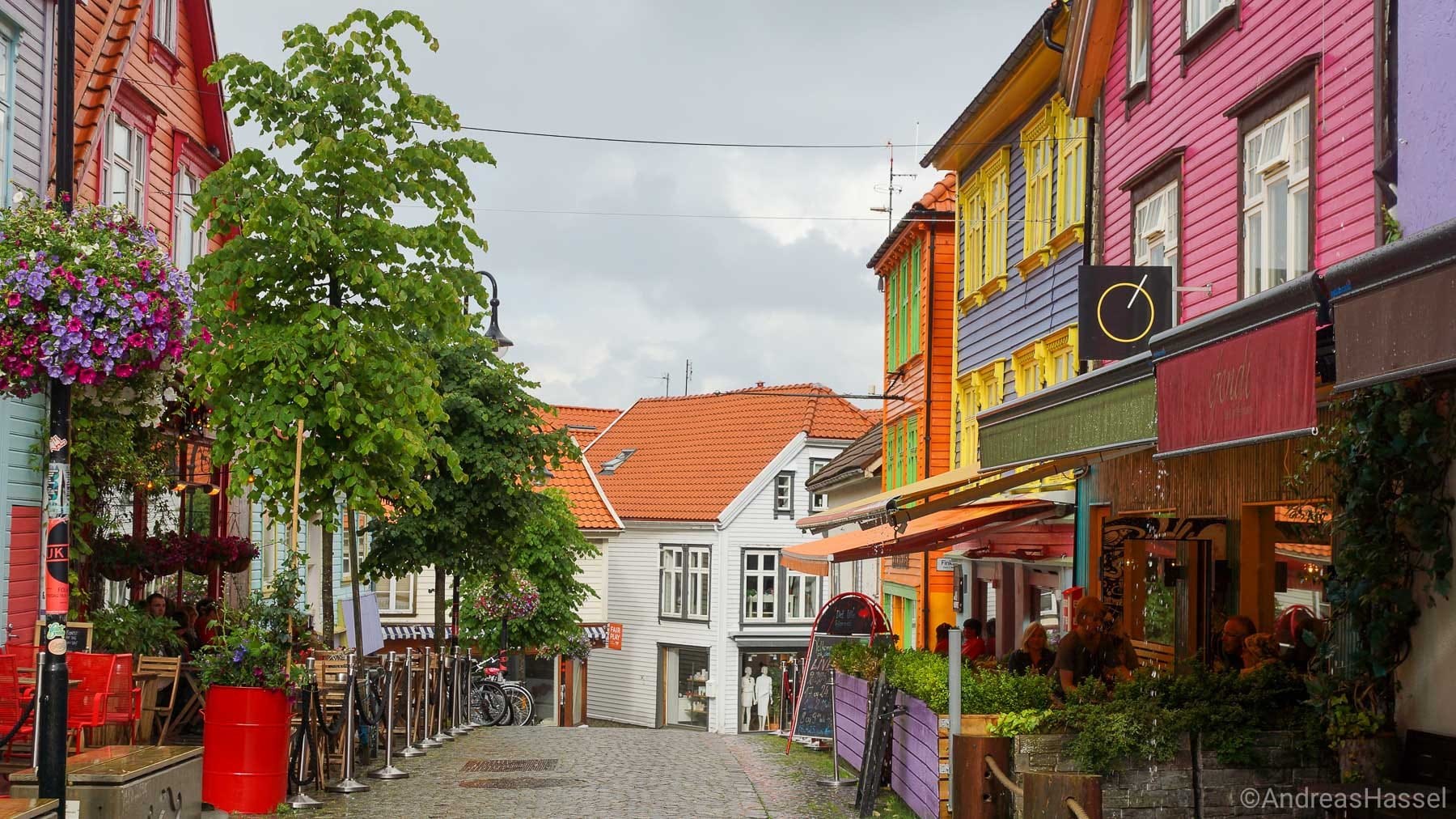
Norway is one of the most cashless places on earth. Norwegians do not think about this at all. They pay for a hot dog at a kiosk by tapping a card. They split a bill in seconds through an app called Vipps. Everyone has it. No one remembers downloading it. A ten-year-old selling waffles at a school fair will nod at a little card reader as if it were a jar of coins.
Visitors do the opposite. Some arrive with a thick fold of kroner they exchanged at home. They feel responsible and prepared. Then they spend two weeks unable to get rid of it. I have watched friends try to pay cash on a bus and get the same polite confusion you might expect if they had offered seashells.
So here is the insider translation. Bring a card that works internationally, ideally one with no foreign transaction fees. Then relax. You will not need an envelope of cash. The one exception is the occasional rural farm stand selling eggs or berries on an honesty system. And even those are quietly switching to a QR code taped to a fence post.
Driving is easy, until the road becomes the point
Norwegians will tell you the driving is nothing special. They are wrong. But only because they have stopped seeing it.
The rules are simple and strict. Speed limits are low and rigorously enforced. The fines are eye-watering. The automatic speed cameras (the fartsboks, the “speed box”) wait quietly by the roadside. Headlights stay on day and night, all year, by law. Drink-driving limits are so close to zero that locals simply do not drink if they are driving. No one debates it.
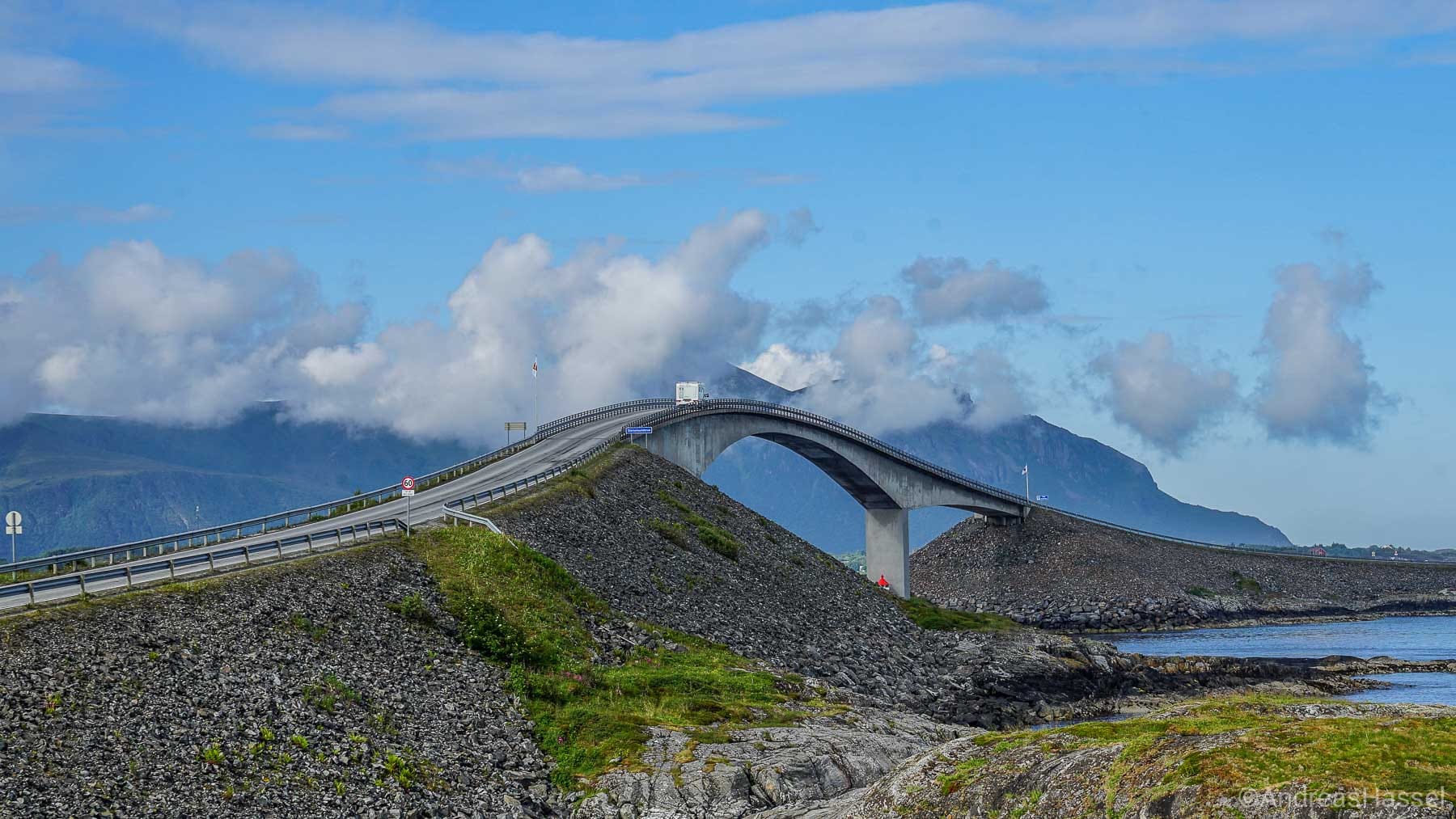
What no local will warn you about is the road itself. To them it is just Tuesday. You will drive through tunnels so long you forget what daylight looked like. One runs under the sea. One has a roundabout carved inside the mountain. You will meet a single-lane road with passing places and a sheer drop on one side. You will learn the quiet local choreography of who reverses for whom. You will round a bend, a fjord will open up in front of you, and you will pull over simply because you cannot not.
If you want the version a Norwegian would actually give a friend, I put together a plain-spoken guide here: Norway Travel Tips. It covers the honest logistics: ferries, fuel, weather windows, which routes are worth the extra hours. It is the sort of thing I wish someone had handed me before my first trip back as an adult.
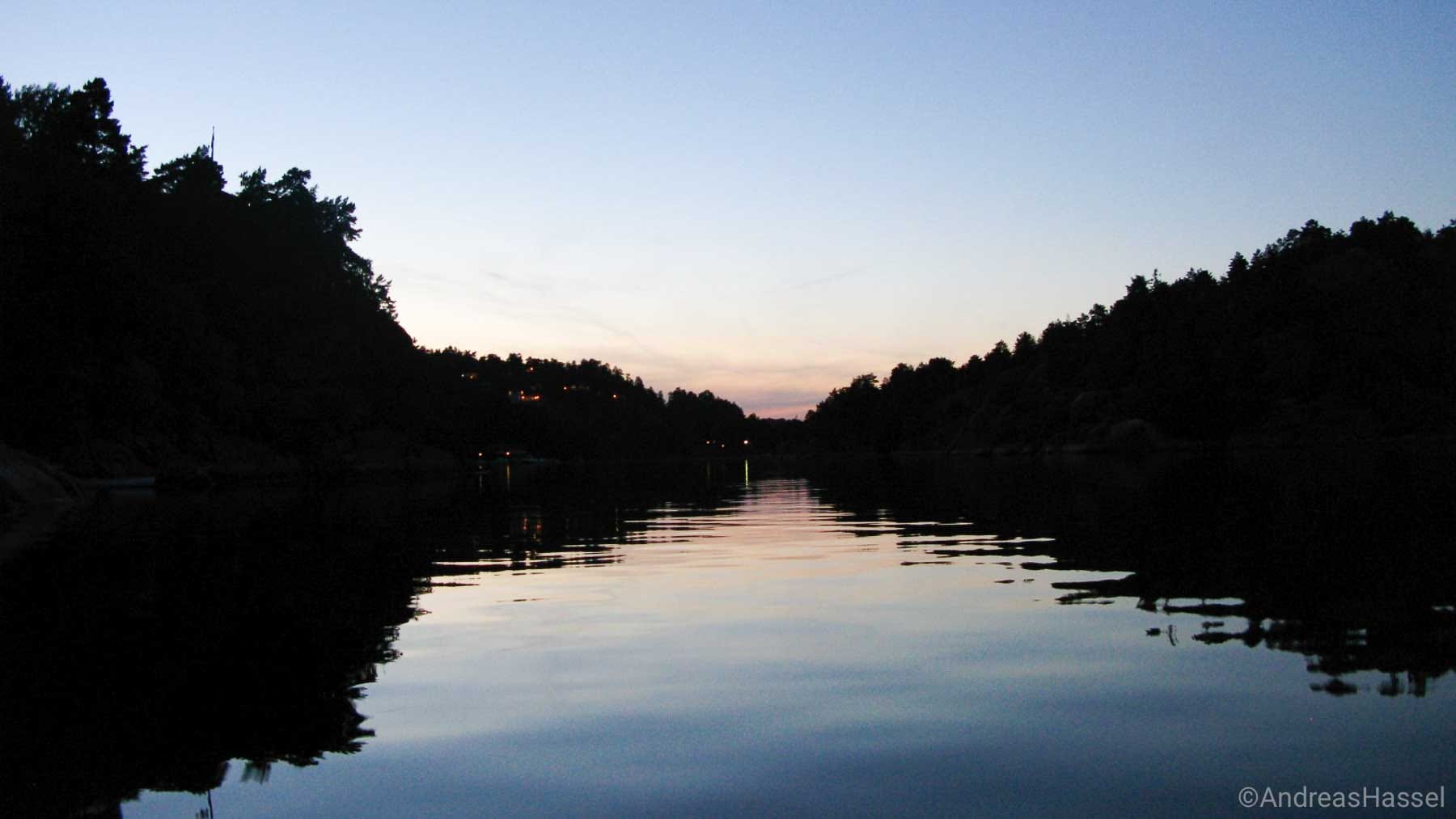
Nature is not a destination in Norway. It is the floor you stand on
This is the deepest split between the two lenses. It is also the hardest to explain.
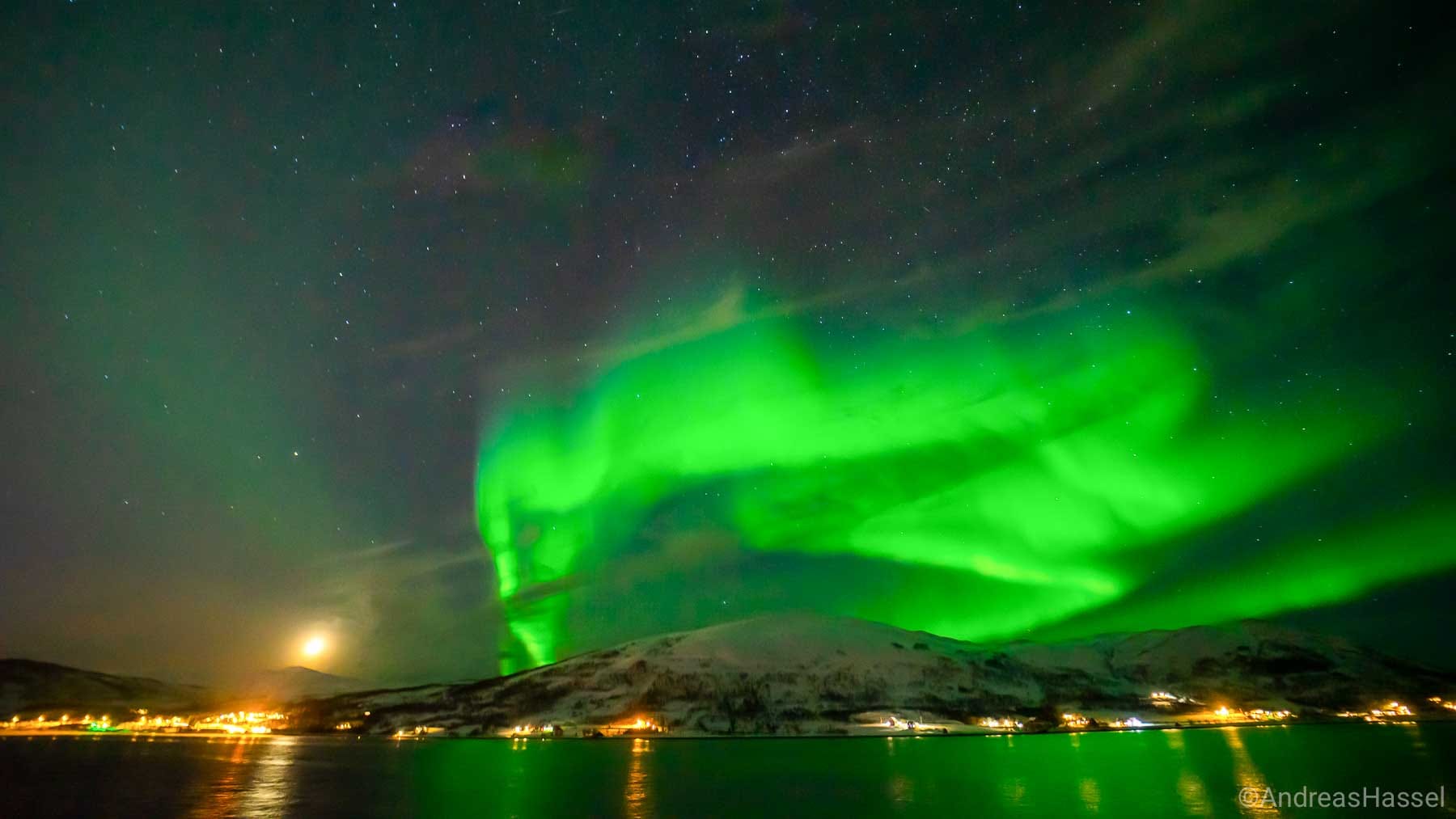
A visitor sees Norwegian nature as spectacle. The fjords, the glaciers, the northern lights, the midnight sun. This is the postcard. This is the reason for the plane ticket. And it is genuinely that good. I am not going to pretend otherwise.
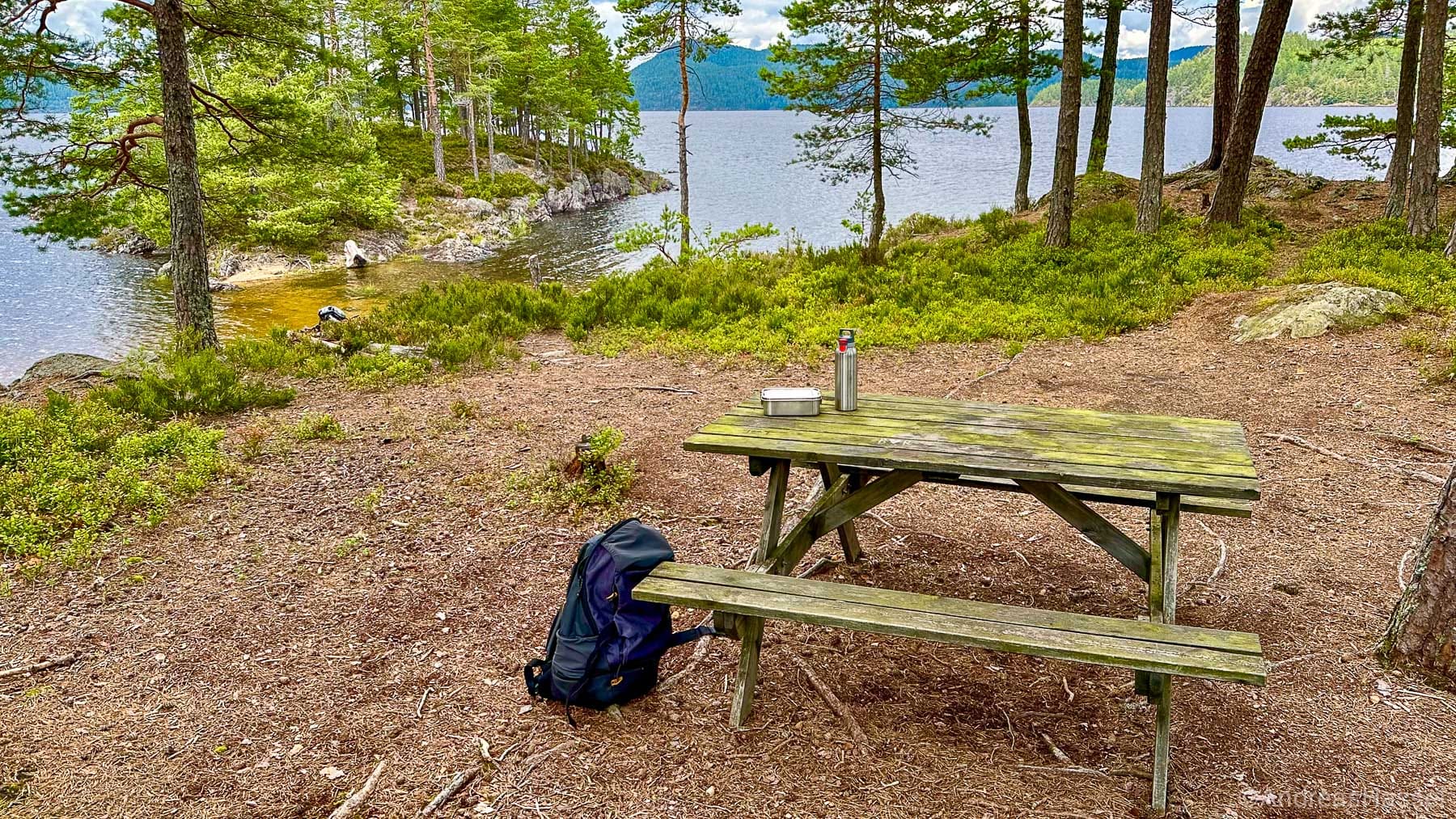
But a Norwegian does not experience nature as a place you go. They experience it as the ordinary background of being alive. There is a word for it: friluftsliv, “open-air living.” It sounds like a lifestyle brand. Then you grow up inside it and realise it just means one thing. Of course you are outside. Of course the family walks in the forest on a grey Sunday with a thermos and no particular goal. Of course the office empties early when the first real snow falls. Nature is not the vacation. It is the floor.
There is a legal side to this too. It is called allemannsretten, the right to roam. You are allowed to walk, camp, pick berries and pitch a tent on most uncultivated land, even privately owned land. You just keep a respectful distance from homes and leave no trace. Visitors hear this and light up. Norwegians hear it and shrug. To them the freedom was never in question. It is simply the air they breathe.
How to walk like you belong
Which brings me to the last thing. It lives entirely in the gap between the two lenses: hiking etiquette. Nobody writes it down. Norwegians follow it without knowing they learned it.
You greet people. On a trail, you say hei to almost everyone you pass. It is a small nod of shared understanding. You are both out here doing the same sensible thing. Skipping it does not make you rude, exactly. But it marks you, gently, as not from here.
You respect the cairns and the painted red T’s that mark the mountain routes. You do not build your own rock stacks for a photo. Someone downhill may be trusting those markers in fog. You carry more layers than the sunny morning suggests, because the weather here changes fast, and often, and does not warn you first. You pack out everything you pack in. You give way going uphill. And you take the weather warnings seriously. It feels almost superstitious to outsiders. It is simply experience to locals. The mountains are beautiful, and they do not care about your plans.
None of this is gatekeeping. It is closer to a shared language. And the lovely thing is how quickly you can learn to speak it. Say hello. Dress for the mountain that exists, not the one you can currently see. Leave the place exactly as you found it.
The thing both lenses agree on
Here is where my two selves finally stop arguing.
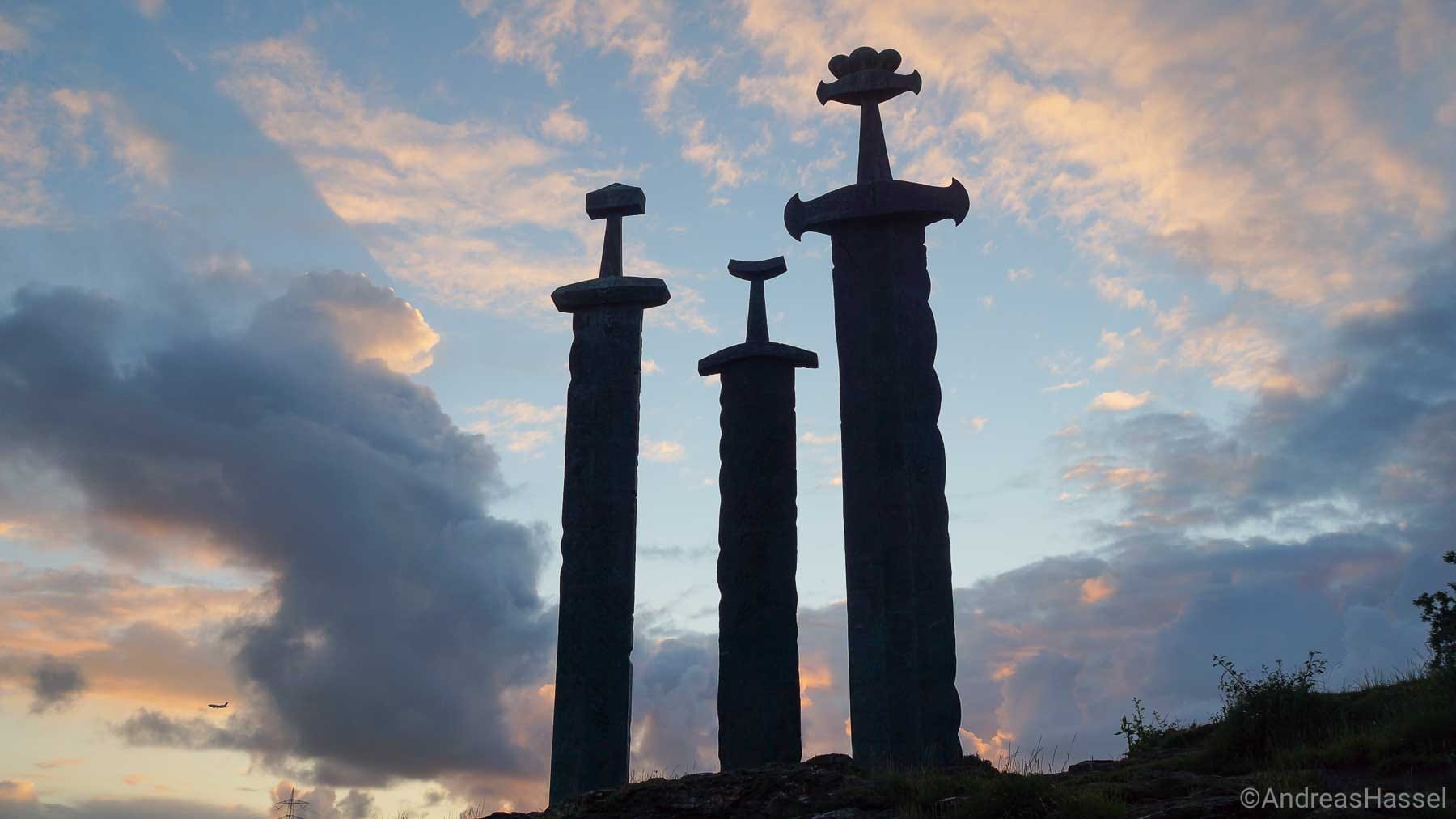
The tourist in me is still knocked flat by the beauty, every single time. I hope he never gets used to it. The Norwegian in me knows something quieter, and just as true. The best of this country is not the view you photograph. It is the ordinary way people live alongside it. Undramatic. Unhurried. Outdoors by default.
Come for the fjords. That is what got me back on the plane, too. But pay attention to the small things the locals no longer notice. Do that, and you will leave with the better souvenir. You will leave knowing, just a little, what it feels like to belong here.
The tools I use on my own trips, with the conditions I managed to get for my readers. If you book through them, the blog pays for itself — and it costs you nothing extra.
The eSIM I am an ambassador for, powered by NOS. 10% off with the code at checkout.
Affiliate links and my own codes. Only tools I actually use.